
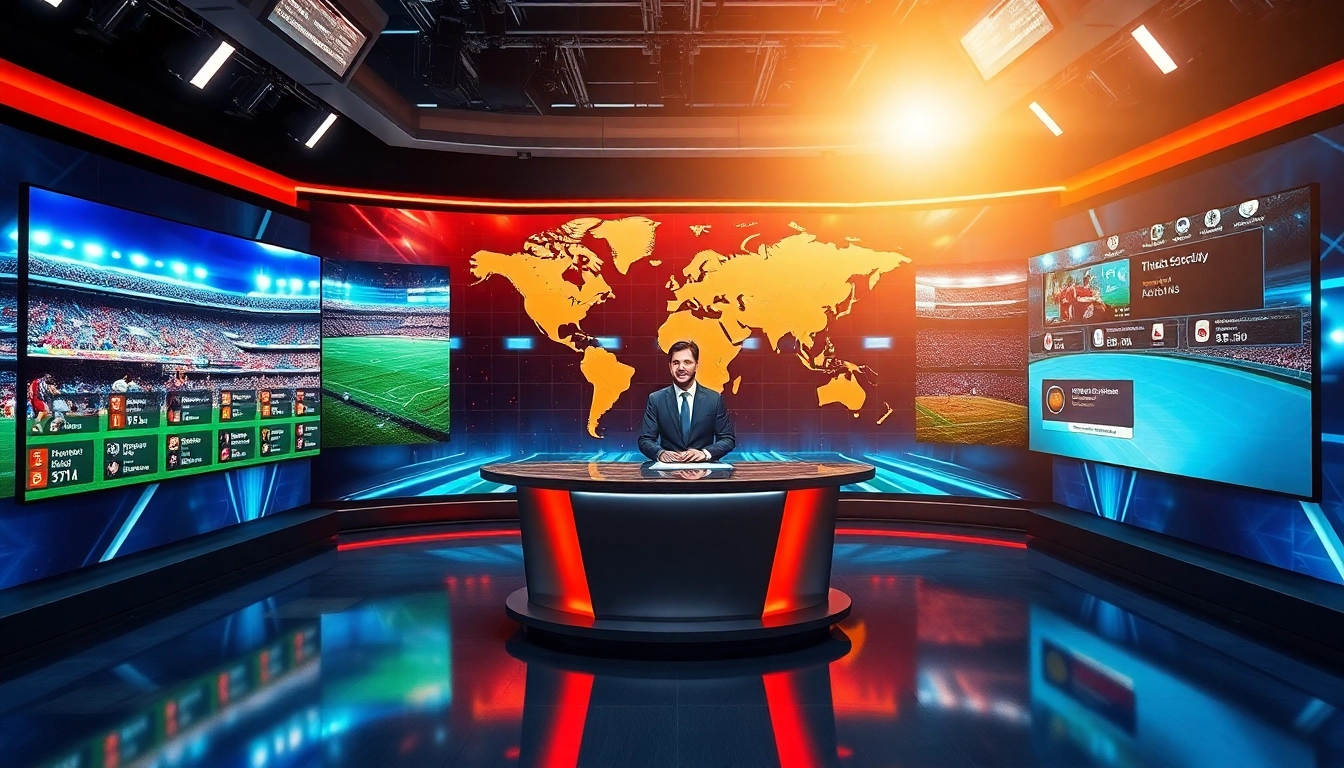
Understanding Sports Broadcasting
Sports broadcasting is a dynamic field that encompasses the live coverage of sporting events through various media channels. This includes television, radio, and digital streaming platforms. With advancements in technology, the landscape of Sports Broadcasting is continuously evolving, offering fans unprecedented access to their favorite sports. Enhanced engagement and innovative viewing experiences are at the core of today’s broadcasting strategies. The intricate tapestry of sports coverage not only entertains but also informs and connects fans to the action. For an in-depth exploration of this topic, you can check out Sports Broadcasting.
What is Sports Broadcasting?
At its essence, sports broadcasting is the transmission of sports events to a wide audience via various platforms. It includes the production and transmission of live games, highlights, news, and analyses. Broadcasters play a crucial role in bringing the excitement of sports to homes, creating a bridge between the events on the field and the viewers at home, who may not have the chance to witness the event in person.
Types of Sports Broadcasting Channels
Broadcasting channels can be categorized into several types:
- Television Networks: These are traditional platforms that include major national and regional networks known for live sports coverage.
- Radio Broadcasting: Live play-by-play commentary provides an auditory experience for fans on the go.
- Streaming Services: Online platforms that cater to the modern viewer, often providing customizable viewing options with live and on-demand content.
- Social Media Platforms: Newer entrants into the broadcast space, these platforms allow for real-time updates and highlights, reaching younger audiences effectively.
The Importance of Sports Broadcasting
Sports broadcasting holds a multifaceted importance in today’s media landscape. It enhances fan engagement, creates lucrative revenue streams, and promotes sports culture. Broadcasters serve as storytellers, sharing the narratives of athletes and teams, thereby enriching the spectator experience and fostering a loyal following.
Key Technologies in Sports Broadcasting
Broadcasting Equipment Essentials
With the evolution of technology, the equipment used in sports broadcasting has become more sophisticated. Essential tools include high-definition cameras, audio equipment, and graphics systems. These tools are crucial for creating a visually appealing and immersive viewing experience. For example, multi-camera setups allow for various angles of the same action, providing an in-depth perspective that enhances viewer enjoyment.
Streaming Technology Advancements
Advancements in streaming technology have transformed how audiences consume sports. High-speed internet and improved codecs have made it possible to deliver high-quality streaming with minimal latency. Features such as multiple camera angles, instant replay, and viewer interactivity are now possible, making broadcasts more engaging than ever.
Use of Drones in Sports Broadcasting
Drones are emerging as valuable tools in sports broadcasting, offering unique aerial perspectives of the games. They provide sweeping shots of the stadium and can follow the action in ways that traditional cameras cannot, creating a richer narrative and enhancing the storytelling aspect of sports coverage.
Strategies for Effective Sports Broadcasting
Engaging the Audience
Effective sports broadcasting goes beyond just showing the game; it involves engaging the audience before, during, and after the events. Broadcasters can use social media to create pre-game buzz, conduct live Q&A sessions, and offer behind-the-scenes content. This interactive approach not only keeps fans informed but also cultivates community around the sport.
Content Creation and Scheduling
Content is king in sports broadcasting. Developing a robust content strategy that includes highlight reels, player profiles, and expert commentary can enhance a broadcaster’s value proposition. Strategic scheduling that aligns with high-profile events maximizes viewership and strengthens brand presence within the competitive media landscape.
Collaboration with Athletes and Teams
Building partnerships with athletes and teams can further elevate a broadcaster’s presence. Exclusive interviews, behind-the-scenes access, and joint promotional ventures can provide content that is both engaging and exclusive, catalyzing a stronger connection with the audience.
Challenges in Sports Broadcasting
Legal and Contractual Issues
Navigating the legal landscape is one of the significant challenges in sports broadcasting. Issues such as broadcasting rights, intellectual property, and contracts require careful attention. Broadcasters must stay compliant with regulations to avoid costly disputes and maintain their credibility within the sports community.
Maintaining Quality in Live Streams
Delivering a high-quality live streaming experience is critical yet challenging due to factors such as internet bandwidth and server capacity. Broadcasters must invest in reliable technology and infrastructure to ensure seamless streaming, thus maintaining viewer engagement and satisfaction.
Adapting to Technological Changes
As technology evolves, so too must the practices of sports broadcasters. Staying updated with the latest advancements and trends is crucial. This adaptability ensures that broadcasters remain competitive and relevant, offering innovative experiences that attract and retain viewers.
Future Trends in Sports Broadcasting
Incorporating Virtual Reality
Virtual reality (VR) is set to revolutionize the sports broadcasting landscape. VR technology can immerse fans in a completely new way, allowing them to experience games as if they were in the stadium. This unprecedented level of engagement may redefine how audiences interact with sports content.
The Rise of Interactive Broadcasting
Interactive broadcasting leverages technology to allow viewers to influence their viewing experience. Features such as real-time stats, customizable camera angles, and interactive polls can engage audiences more deeply, setting the stage for an exciting shift in sports viewership.
Data Analytics in Sports Broadcasting
Data analytics is becoming increasingly integral in sports broadcasting. By analyzing viewer behavior and preferences, broadcasters can tailor content that meets audience demands. This data-driven approach can lead to higher viewership, more effective marketing strategies, and improved fan engagement.
FAQs about Sports Broadcasting
1. What is the primary role of sports broadcasters?
The primary role of sports broadcasters is to deliver live sports coverage, including play-by-play commentary, analysis, and highlights, to engage fans and enhance their viewing experience.
2. How do streaming platforms affect traditional sports broadcasting?
Streaming platforms offer flexible viewing options and often provide additional content, challenging traditional broadcasters to innovate and adapt their strategies to retain viewership.
3. What technology is essential for sports broadcasting?
Key technologies include high-definition cameras, broadcasting software, audio equipment, and streaming services that ensure high-quality production and delivery of content.
4. Are there legal issues associated with sports broadcasting?
Yes, sports broadcasting is subject to numerous legal and contractual issues, including rights management, licensing agreements, and compliance with broadcasting regulations.
5. How is data analytics used in sports broadcasting?
Data analytics helps broadcasters understand viewer preferences, optimize content offerings, enhance engagement, and tailor marketing strategies to suit audiences better.